Empowering Independence: Life Skills Development for People with Disabilities


Understanding Life Skills Development
Empowering people with disabilities through life skills development is a crucial step towards fostering independence and enhancing quality of life. Life skills are the abilities that enable individuals to deal effectively with the demands and challenges of everyday life. For people with disabilities, these skills can range from basic self-care to more complex social interactions.
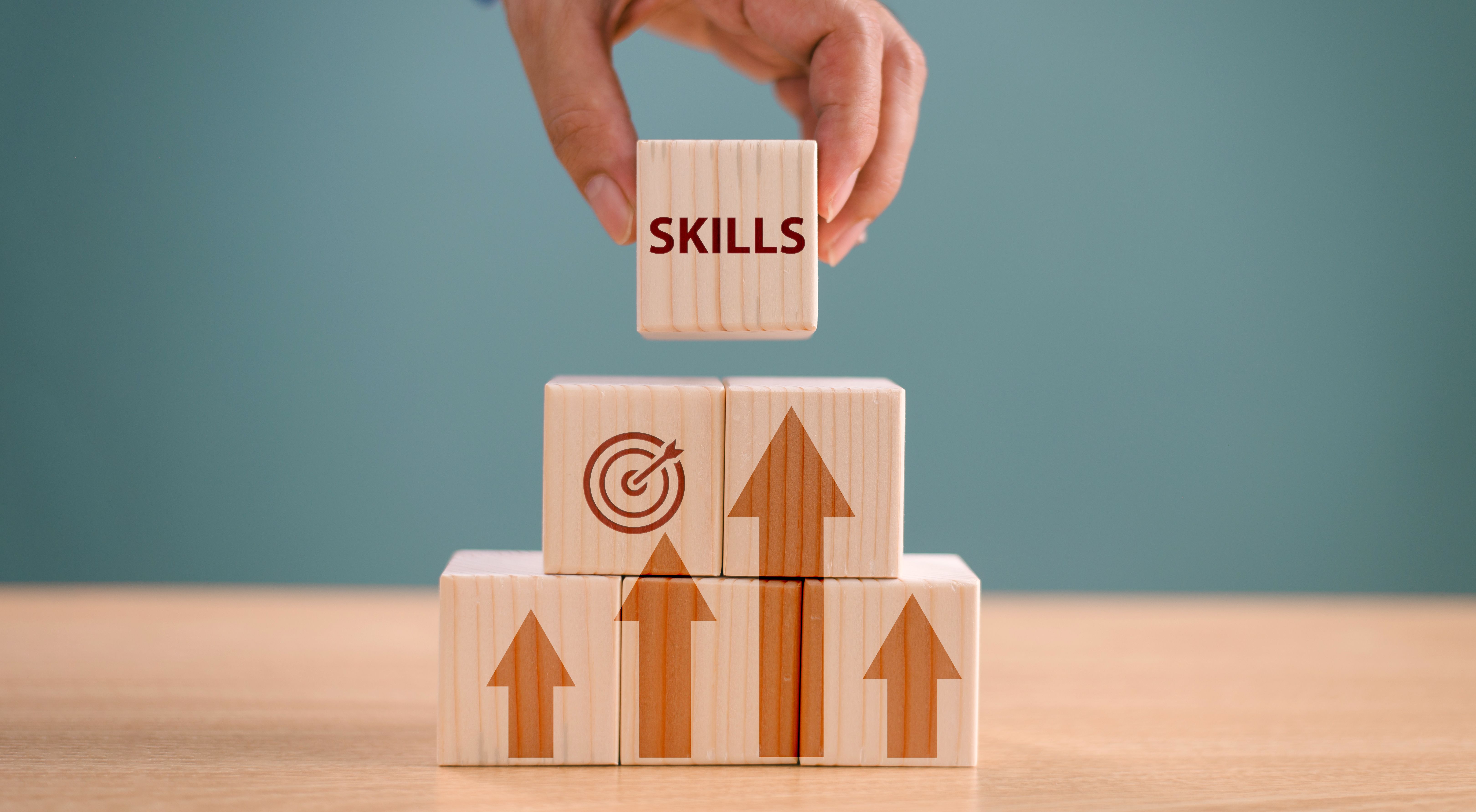
Developing life skills provides individuals with the tools they need to navigate their environments, make informed decisions, and interact socially. This empowerment leads to increased confidence and self-esteem, allowing for greater participation in community life.
Key Areas of Life Skills
Life skills development typically focuses on several key areas, each contributing to greater independence:
- Communication: Effective communication is vital for expressing needs, desires, and emotions. Training in verbal and non-verbal communication can significantly enhance interpersonal relationships.
- Self-Care: Skills such as personal hygiene, dressing, and grooming are fundamental. These skills promote independence and self-confidence.
- Financial Management: Understanding money management, budgeting, and savings is essential for financial independence.
Social and Emotional Skills
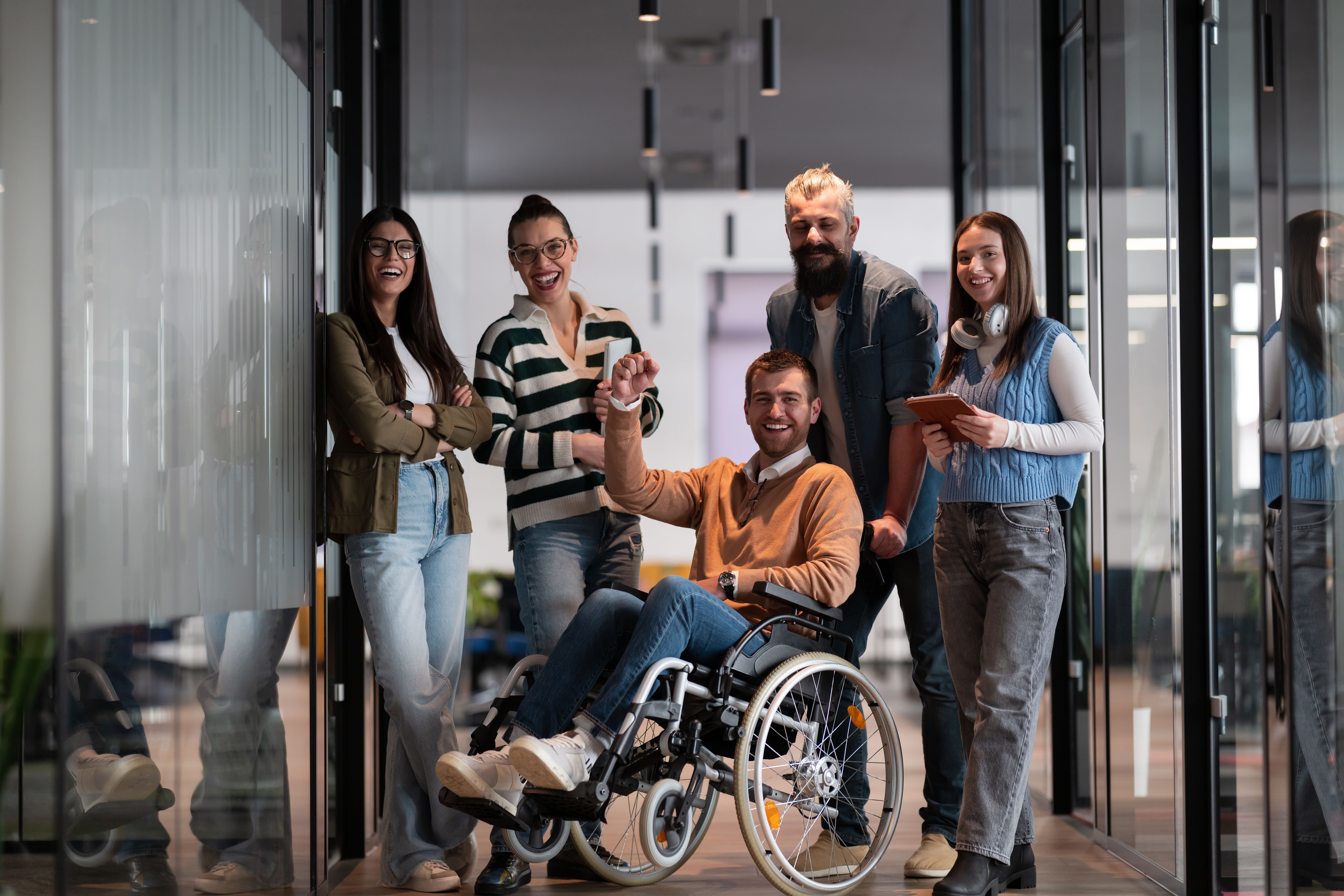
Social skills training helps individuals engage with others, build friendships, and participate in community activities. Emotional skills, such as self-awareness and empathy, enable individuals to understand and manage their emotions, leading to healthier relationships.
Practical Approaches to Teaching Life Skills
Effective life skills training combines various teaching methods tailored to the individual's needs. Hands-on learning, role-playing, and real-world scenarios are particularly beneficial. These methods ensure that skills are not only learned but also practised and retained.
Using Technology
Technology plays a significant role in the development of life skills. Assistive devices, apps, and online resources offer innovative ways to learn and practice new skills. Technology can bridge gaps, providing tools that cater to individual learning styles and needs.
Support Systems and Community Involvement
Support from family, friends, and community organisations is crucial. These networks offer encouragement and resources, creating a nurturing environment for skill development. Community involvement also provides opportunities for practice and social interaction.
Engaging with community programs and workshops can enhance learning experiences. These platforms allow individuals to apply their skills in real-world settings, reinforcing their learning and boosting confidence.

The Role of Educators and Caregivers
Educators and caregivers play a pivotal role in the development of life skills. By providing personalised guidance and support, they help individuals set and achieve personal goals. Their involvement is essential in creating a positive, empowering learning environment.
In conclusion, developing life skills in people with disabilities is a transformative process that leads to greater independence and improved quality of life. By focusing on key areas, utilising practical teaching methods, and fostering supportive environments, we can empower individuals to lead fulfilling, autonomous lives.